



HOW CAN NU PROPERTIES HELP YOU?

3 Ways We Help Buyers

null

Everything you need in one online location

Whether it’s your first foray into real estate, ready to upgrade your home or invest in a property–we provide everything you need in one convenient location. From financial brokers, local and national builders as well as access to existing and upcoming land releases. You can find it all here.
null

Building a new home has never been easier!

Building a new home can be a daunting process. It seems that everyone you talk to has a story to tell. Building a new home doesn’t have to be stressful. Like any large purchase, information is the key. As well as National House & Land bringing all the components of buying and building a new home. We provide our users with a range of resources and information to help make their purchase a confident and informed one.
null

Expert Advice From Start to Finish

We are here to assist the new home buyer’s experience to be a positive and informed experience. If you still have questions, then simply get in touch with us. The people that run this site have over 40years experience in the home building industry. If we don’t know, we will find out for you. All of this at no cost to you the user.

Your Property Dreams Made Easy

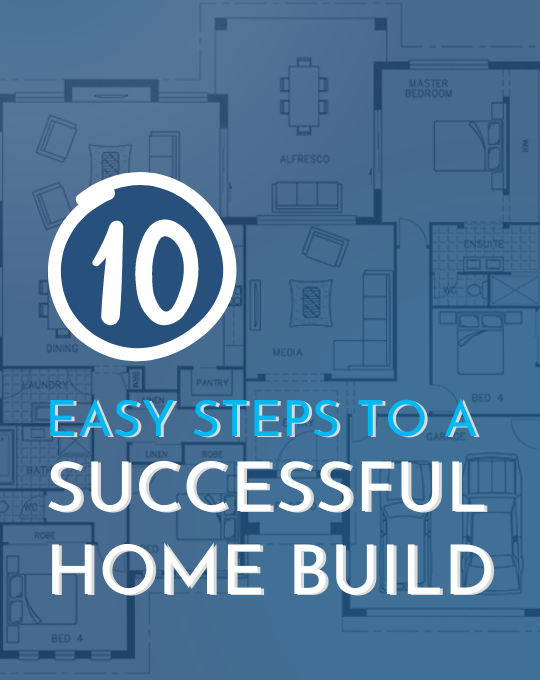
1. Establish borrowing capacity and budget

The first thing that needs to be done is to establish your borrowing capacity. Be aware that most lenders have different rules and requirements when it comes to buying land and building a new home. These conditions and your borrowing capacity can easily be determined by talking to your preferred lender. This could be a Bank, non-bank lender as well as a vast array of mortgage brokers, many of which are available and can be contacted directly on our site. Simply go to the Finance tab on our site and find a lending provider in your area.

Once assessed, you now have a budget to work with.

2. Select block of land

You have now chosen to build. That’s exciting! What’s Next?

Most people already have an idea of where they want to live. Use our site to research what land is available in these areas. We have a variety of estates to choose from. You can buy directly from developers, or maybe one of the many resale allotments availably. If you find something you believe suits your needs and budget, you can simply contact the Seller/Developer directly from our site. This saves you the time and stress of trawling through hundreds of different sites.

Once you have selected a block, then it’s time to find the right plan and builder to create your dream.

3. Assessment & recommendations

Before you sign any binding contracts, whether it be to purchase land or a building contract for a new home, it is extremely important that you do some research.  You need to discover everything about the land you are considering. Are there any hidden issues? Could these issues increase your building costs and reduce your house budget? Unexpected and, un-budgeted costs can arise from numerous areas. Design rules imposed by the developer, soil types and conditions. Is the land subject to Bushfire Assessment? These, and many other issues can add additional costs can have seriously decrease your building budget. Most of this information is available before you buy.  You just need to know who and what to ask.

4. Preliminary building quotation

Now it’s time to find the perfect design for your dream home. Search through our site and discover numerous builders that build in your area.  You can view their designs and make direct contact with them, all without stepping foot into a display home.          When you talk to different builders, it is important that you ask for a breakdown of their costs and charges as a preliminary quote. This will give you the opportunity to accurately compare the builders you are dealing with, and ensure they are including the same standard of products and inclusions. These inclusions may vary in brand but should be of similar quality. Make sure that the quotes include the specific requirements detailed in the developers “Design Rules”, as well as your specific requirements.                                                                                                                   Ask the builders to include estimates of any additional costs should you require upgrades to the “Slab/Footings” as well as any potential upgrades should the area be subject Bushfire or Noise assessment.                                                                            It is important to avoid as many post contract variations as you can. These can be costly, as many builders charge higher profit margins as well as additional administration charges for post contract variations.                                                        Have the builders itemise all these costs the preliminary quote stage and if the budget allows, include them in the building contract.

5. Land and Building Contracts prepared

Decision made. You have selected the lucky builder that will build your dream home.  You pay the builder the preliminary deposit. This enables the builder to have preliminary plans drawn, soil tests completed, contour plans prepared, as well as the preliminary searches required by builders to comply with the regulatory bodies in each State or Territory. This is a great opportunity to complete your colour and product selections. This way, everything you want can be included in the contract, minimising any future costly variations.                                                                        While this is happening, the land contract to be prepared, subject to the relevant conditions as required, primarily, Finance Approval.  Once your builder has obtained all the search results and your product selections they will be able to provide to you a final contract amount and prepare the building contracts and documentation. Next step, present all the contract documents to your chosen Solicitor for review. When the documents have been reviewed and accepted parties, the documents are signed, with copies submitted to your lender for approval.

6. Finance approval obtained

When the lender is satisfied that all documents have been supplied and loan condition has been met, they will then issue what is called a “conditional approval”. These conditions can include among others, approval of any Government grants (if applicable), lenders mortgage insurance approval (if required) and any other documentation the lender may deem necessary prior to initiating the settlement of the land. Before the lender allows the build to commence the builder will need to provide the lender copies of, the development approval and plans, builders warranty insurance, builders construction liability insurance.

7. Land and Building deposits paid

Once you receive the lender’s conditional approval, confirmation of the approval is then relayed on to the land seller via your solicitor. This will generally make the land contract, unconditional and you will be required to pay the land seller the balance of the deposit indicated on the land contract.                                                                                                                                            Your solicitor and lender will now commence the settlement process to transfer the land into your name. At this point you will also be required to pay the builder the balance of the deposit detailed in the building contract. This enables the builder to submit a development application on your behalf as is required obtain the development approval. Be aware that at this point you will be required to pay the builder the deposit as per the building contract.  Most building contracts require a maximum deposit of 5% of contract amount. Most lenders prefer that you pay all your deposit funds towards your land settlement, which can cause an issue. Talk to your lender to ensure you have access funds to pay the builder’s deposit. This can be by either retaining enough funds directly or via a draw on your loan.

8. Land purchase completed

Newly subdivided land will need to be registered with the relevant Government departments before the land can be settled and transferred into your name. The developer/vendor will notify all parties once land is registered. All parties can now proceed with the settlement and transfer process.

9. ‘Authority to Commence Construction’ issued

When the land purchase is finalised, you will be notified by your Solicitor and your Lender. It will then be up to you and your builder to ensure that all the outstanding documentation is submitted to them. When the lender is satisfied that all the information requested has been received by the Lender, they will then issue the builder with an Authority to Commence Notice.

10. Construction

Once your builder receives the Authority to Commence notice, they will then prepare a construction schedule and advise the nominated commencement date. This date then determines the contractual completion date.

ABOUT US

Who Is Nu Properties?

If you’ve ever spoken to someone who has built a new home, you’ve probably heard the horror stories – poor quality workmanship, incomplete homes, costly extras that blow the budget.

Founded by Sam Caruso, a second-generation builder and registered real estate agent who has been in the construction industry for over 40 years, we not only offer the traditional real estate services, at Nu Properties we specializes in new homes, units, townhouses and land.

With our vast experience in building new homes we are able to assist and introduce our customers to a range of quality, reputable new home builders and developers throughout Queensland.

But more importantly, we provide our customers help and advise every step of the way while building their dream home – without heartache.

BLOGS & NEWS

Interesting Articles

PROPERTY NEWS

Hear About New House + Land Releases First

Subscribe to our e-newsletter to receive exclusive offers and the latest property, land and finance news and tips.